United Way campaign season presents a unique window of opportunity. By the midpoint, your team has gathered momentum, but there’s still time to improve results without a full reset. Strategic, lightweight changes can make a measurable difference in engagement and donor participation — especially for campaigns where community impact and local giving are paramount.
These five mid-campaign strategies help campaign managers, employee coordinators, and corporate partners stay aligned, energized, and focused on shared goals.
1. Make Performance Visible to the Right People
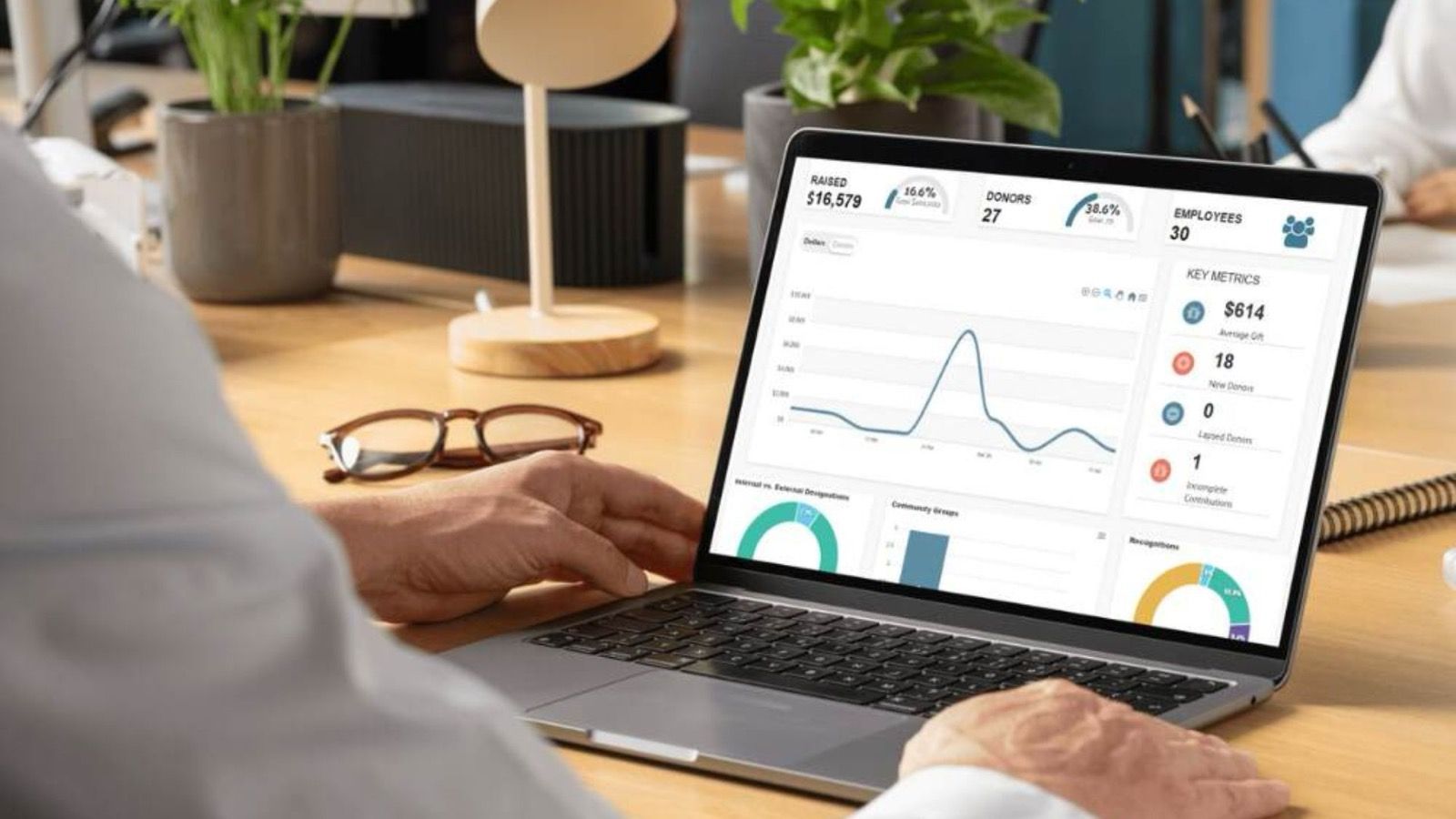
When campaign data is accessible to the right stakeholders, it fosters ownership and action. Share simple metrics such as participation rate, dollars raised, or average gift by business unit or team.
Use localized reporting to show performance at the department or site level. This approach empowers Employee Campaign Coordinators (ECCs) and team leaders to identify what’s working and act on it quickly.
Pro Tip: Keep reports focused. Filter by campaign, location, or business unit to avoid overwhelming users with excess data.
2. Localize Messaging to Strengthen Connection
For campaigns spanning multiple locations or national offices, one-size-fits-all communication often falls short. Tailor messaging based on geography or corporate structure. Local impact stories resonate deeply with nearby donors, while broader messaging may be more effective for remote or multi-site audiences.
Highlight how each donor’s gift contributes to specific community outcomes, reinforcing trust in local partnerships and United Way’s role in creating lasting change.
Tactical Tip: Use campaign page banners or messaging to clearly indicate donation routing and reinforce local relevance.
3. Refresh Incentives to Spark Participation
Thoughtfully designed incentives can re-engage donors, especially those who have not yet participated. Recognition-based incentives, like spotlighting first-time givers or inviting donors to exclusive volunteer events, often outperform physical giveaways in long-term engagement value.
Communicate deadlines and benefits clearly in campaign emails, intranet banners, and donation forms.
Tactical Tip: Use callouts like “Give by [date] to qualify for [incentive]” to create urgency without pressure.
4. Equip Your Coordinators With Practical Tools

Support for ECCs and campaign ambassadors should increase — not taper — midway through the campaign. Provide them with tools that are quick to use and easy to share. These can include templated email updates, localized performance snapshots, and suggested talking points aligned to campaign milestones.
Campaigns might be adapted for specific locations, corporate partners, or community goals. They may have unique branding, incentive structures, or donation routing. Make sure you tailor these materials by campaign type, especially if you’re running both standard and custom initiatives across locations.
Pro Tip: A one-page PDF or weekly email update can save time and reduce friction from having to log into a workplace giving platform. This one-to-one outreach also offers the opportunity to provide a personal note and words of encouragement to continue campaign momentum.
5. Act Early on Participation Gaps
Waiting until the final weeks to address low participation puts unnecessary pressure on teams. Identify underperforming groups or regions by week two or three and adjust outreach accordingly.
Common barriers include messaging gaps, firewall issues, or access constraints for frontline or remote workers. Addressing these challenges early gives coordinators time to engage those audiences meaningfully.
Tactical Tip: Ask ECCs to verify that all team members are receiving key campaign messages. Missed emails can significantly affect participation.
Timing Recommendations
| Adjustment Area | Ideal Timing |
|---|---|
| Share performance data | Weeks 2–3 |
| Tailor communications | Weeks 1–4 |
| Introduce incentives | Weeks 3–5 |
| Provide ECC support | Ongoing (weekly) |
| Address engagement gaps | Start by Week 2 |
Aligning With United Way’s Mission
Each of these mid-campaign strategies supports United Way’s broader goals: engaging communities, strengthening local impact, and driving sustainable change. Whether your campaign is part of a national rollout or a hyper-local initiative, keeping teams equipped, informed, and inspired remains essential to long-term donor stewardship.
StratusLIVE’s tools, including Give at Work, support these efforts by simplifying segmentation, reporting, and communication across all campaign stages.
Final Thoughts
Mid-campaign is a pivotal stage in any United Way workplace giving effort. With the right adjustments, teams can improve participation, strengthen local engagement, and reduce end-of-campaign pressure — all without adding staff or overhauling systems.
By focusing on performance visibility, localized messaging, timely incentives, coordinator support, and early engagement analysis, campaign leaders can drive stronger results and deepen connections with donors. These actions support not just short-term fundraising goals but also long-term community impact and donor trust.
For United Ways using platforms like Give at Work, these strategies are easier to implement with built-in tools for segmentation, reporting, and incentive programs. By leveraging your data and empowering your teams, you can finish strong and build lasting momentum that extends well beyond this campaign.
Frequently Asked Questions (FAQ)
Q: How can I track campaign performance in real time?
A: Use simple dashboards or weekly reports segmented by department or location. StratusLIVE offers tools like Give at Work and CRM dashboards that help visualize participation, average gift size, and donor trends at a glance.
Q: What types of incentives are most effective for mid-campaign boosts?
A: Recognition-based incentives — like early bird raffles, donor shoutouts, or affinity group invites — are especially effective. They build engagement without increasing campaign costs and are easy to implement during the middle phase of a campaign.
Q: When should I start addressing low participation?
A: Begin reviewing engagement data by week two. Early identification of underperforming groups allows you to adjust messaging, target outreach, and avoid last-minute scrambles.
Q: Can we personalize messaging across multiple sites or regions?
A: Yes. Use geographic or organizational segmentation to tailor messages in Give at Work. Local impact stories work best for in-region employees, while broader messaging helps connect remote or out-of-area teams to the cause.
Q: What tools can help our ECCs stay organized mid-campaign?
A: Provide weekly talking points, simplified progress snapshots, and templated updates. Aim for lightweight resources that ECCs can share in under five minutes.
Request a demo of Give at Work, our comprehensive Corporate Social Responsibility platform, built for how United Ways actually operate.