Did you know that nonprofits lose more than a quarter of their donors each year, and the cost of replacing a single donor can cost up to $5,000? It’s a hard truth, but it’s also a signal—if you’re still chasing new prospects, you’re probably missing a gold mine right under your nose. The secret isn’t about finding more people to ask, it’s about keeping the ones you already have engaged, happy, and willing to give more.
So, what’s the first move you should make to flip that churn into churn‑free?
In this guide, we’ll share the top five donor retention strategies that have moved the needle for hundreds of nonprofits—no fluff, just the actionable steps you can start using today.
Ever felt the frustration of watching a long‑time supporter drop off after a single event? You’re not alone, and it’s not a sign you’re failing.
First, you need a clear view of every donor’s journey. That means stitching together giving history, communication touchpoints, and even the small moments that build trust—like a thank‑you note sent on the day of a donation. Once you have that 360‑degree snapshot, the real work begins: tailoring interactions to each person’s rhythm instead of sending generic blasts.
But how do you turn that insight into consistent action without burning out your team?
Stick with us, and we’ll walk you through the exact playbook: from segmenting donors by giving patterns, to automating thank‑you journeys, to creating a feedback loop that keeps the conversation alive. It’s all about small, measurable tweaks that add up to a healthier donor base and more sustainable revenue.
Think about the last time a donor said, ‘I love the impact of this work.’ That simple affirmation is the spark that fuels continued giving. When you can capture and amplify those moments, donor loyalty climbs faster than any acquisition campaign.
TL;DR
Donor retention strategies are the secret sauce that turns one‑time gifts into lifelong partnerships, unlocking sustainable revenue for nonprofits today. By segmenting supporters, automating personalized thank‑you journeys, and embedding data‑driven feedback loops, you’ll see churn drop, recurring giving rise, and a community that keeps donors coming back—without overworking your team.
Table of Contents
- Step 1: Define Your Donor Segments
- Step 2: Personalize Engagement
- Step 3: Automate Stewardship Workflows
- Step 4: Measure and Iterate
- FAQ
- Conclusion
Step 1: Define Your Donor Segments
Donor segments aren’t a gimmick; they’re the difference between one‑time gifts and a steady revenue stream. If you’re talking to everyone the same way, you’re leaving money on the table.
Before you tailor messages, you’ve got to map how people give, engage, and show up for your cause. Recency, frequency, and value matter — but so do engagement channels, events attended, and the way they respond to gratitude notes.
Know your donor archetypes
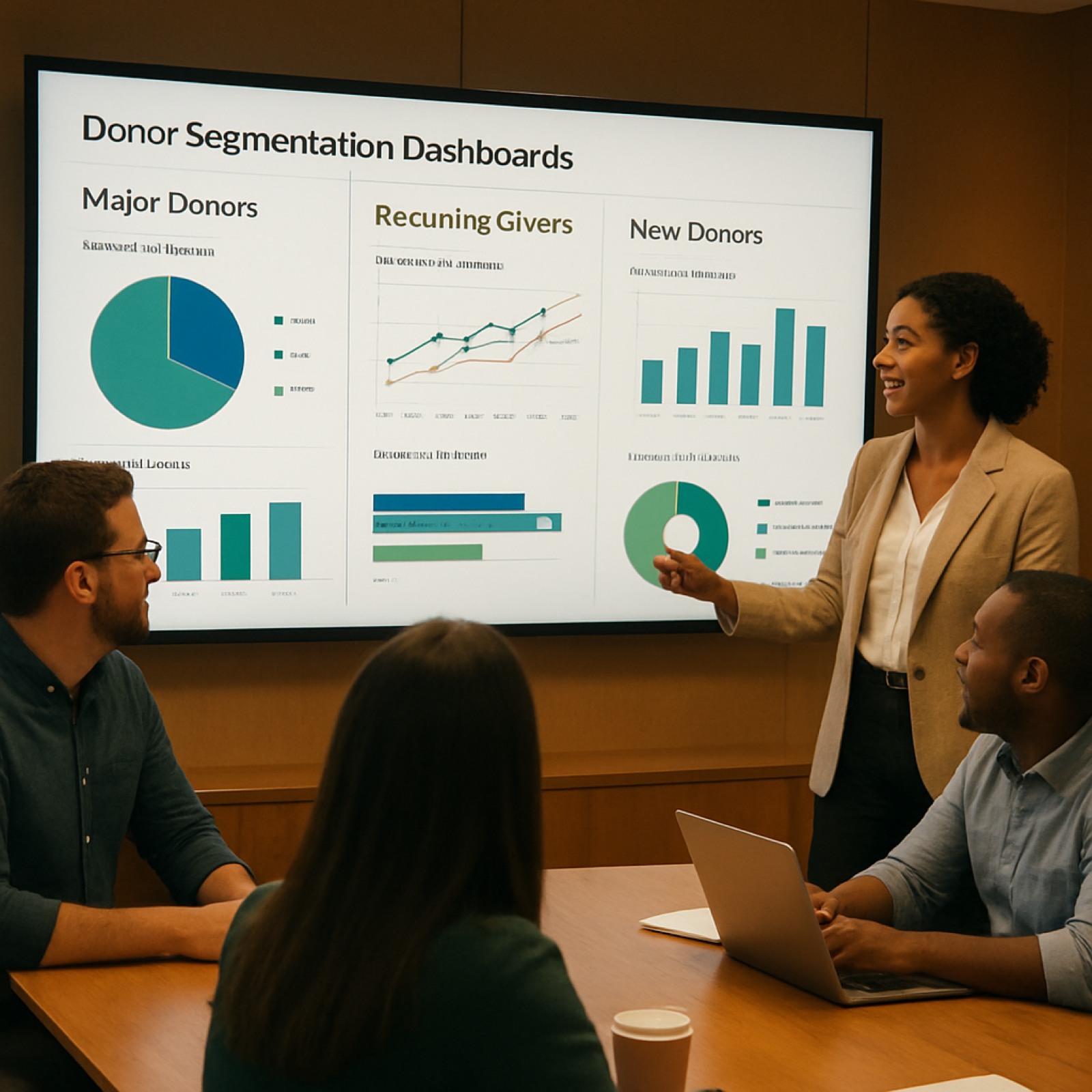
Start with a few practical buckets: major donors who could upgrade to recurring gifts, mid‑level supporters who respond to personalized stewardship, and new donors who need a warm onboarding. Include recurring givers, lapsed supporters, volunteers, and corporate partners. You’ll be surprised how many segments share a similar journey but need different nudges and touchpoints.
In our experience, segmentation isn’t about perfect precision; it’s about enough clarity to drive action. You’ll start seeing patterns like big donors favor multi‑touch stewardship, while new supporters respond to quick, friendly onboarding messages.
Keep it practical: define segment criteria around behavior, not just demographics. Who opened your last welcome email? Who donated after attending an event? Who engaged with your post about a campaign? These signals guide your next outreach.
For a quick, concrete framework, check this donor segmentation cheat sheet from Stetson University. It translates complex data into actionable slices you can implement this quarter. Donor segmentation cheat sheet.
One more thing: segmentation directly informs retention. It helps you tailor prompts that move donors from awareness to action without overloading your team. If you want a deeper dive, The Complete Guide to Donor Stewardship can offer more practical steps.
Actionable steps to define segments
- Gather data from giving history, channels, events, and volunteer activity so you can see how a donor interacts across touchpoints.
- Define segment criteria, such as recency, frequency, average gift size, and engagement scores from emails, social posts, and events.
- Create segment templates like Major Donors, Recurring Givers, New Donors, Lapsed Donors, and Volunteers; give each a clear goal and next step.
- Set measurable targets for each segment, such as upgrade rates, recurrence, or re‑engagement within 60 days.
- Test and iterate. Run a two‑week pilot, compare response rates, and refine messaging before scaling.
This approach keeps segmentation a repeatable workflow rather than a one‑off exercise.
To stay grounded in daily operations, this is where StratusLIVE shines by unifying donor data and guiding multi‑channel outreach.
So, what should you do next? Start documenting your current donor journeys and map the first two segments you’ll create this week.
Step 2: Personalize Engagement
Having the segments laid out is great, but they’re just numbers on a screen. What matters is how you talk to each donor group. Imagine you’re a bartender who knows everyone’s favorite drink – you’ll keep the crowd happy. The same goes for donor engagement.
Turn data into a conversation
Start by pulling a single donor’s journey into a quick view. Look at their last email open, the event they attended, and the gift size. Then ask yourself: what would make this donor feel seen? The answer usually lands in a few words: “Thank you, here’s impact, how can we grow together?”
Do you remember the last time a donor got a generic “Thank you” note and walked away? That’s the story many nonprofits tell themselves. A personalized note can double the likelihood of a repeat gift. Why Your Donor Retention Rate Is Falling—and How to Turn It Around explains how simple tweaks change the whole equation.
So, what’s the first step to personalize at scale? It’s all about automation that feels human.
Automation with empathy
Use your CRM to set triggers: a donor who donated last year, but hasn’t opened your latest email, gets a quick “Hey, we miss you” text. The key is timing. Send the note within 48 hours of the gift – that’s the sweet spot proven to boost retention.
Here’s a quick checklist you can copy into your workflow:
- Trigger: Last donation > 6 months ago
- Action: Send personalized thank‑you + impact snapshot
- Follow‑up: Invite to next event or campaign
Do you see how the flow looks? Each step is a conversation, not a checklist.
Speak their language
Donors don’t care about your tech stack; they care about stories. Use the language they use on social media or in their last email. If a donor mentioned a child’s education, frame your ask around that angle. Tailoring language shows you listened.
What about donors who prefer email over SMS? Offer a choice. A small dropdown in your donor portal lets them pick their channel. Donors appreciate having control.
Leverage real‑world examples
Last month, a mid‑size animal shelter used a donor segment called “Event Attendees.” They sent a photo carousel of the latest fundraiser, followed by a video of a rescued pet. The segment saw a 30% uptick in repeat donations within the next quarter. That’s the power of storytelling.
Measure what matters
Set a KPI: the percentage of donors who receive a personalized touch within 48 hours. Track it monthly. If you’re missing the mark, dig into the segments that lag and tweak the trigger.
Another metric to watch: the “donor journey length.” Longer journeys often mean higher lifetime value. Keep adding meaningful interactions to the path.
In short, personalization isn’t a buzzword; it’s a workflow that starts with a segment and ends with a donor who feels seen.
Step 3: Automate Stewardship Workflows
Ready to turn those “thank‑you” moments into a repeat‑gift habit? Automation is the secret sauce that lets you scale personal touch without burning out your team. Below are concrete steps, real examples, and the data that backs each move.
Start With a Clear Trigger Map
Think of your donor journey as a flowchart. Identify the key actions that should spark an automated message: first donation, a 12‑month lull, a major event sign‑up, or a gift anniversary. Every trigger gets its own email, SMS, or in‑app note. The trick? Keep the list short—3 to 5 triggers per segment—to avoid overlap and confusion.
Build a Multi‑Channel Cadence
Donors don’t all live on email. If you’re working with a corporate CSR program, add a LinkedIn InMail or a WhatsApp group message. If the segment prefers text, send a 140‑character gratitude note with a link to a short video. The goal is to meet supporters where they’re already comfortable.
Use Data to Personalize the Hook
Pull the donor’s most recent interaction into the first line of the email. For example, “Hi Maya, thanks again for helping the 2026 animal shelter fundraiser reach $15,000—here’s the impact story.” That one sentence turns a generic note into a conversation.
Keep the Flow Human, Not Robotic
Don’t let automation feel like a vending machine. Insert a short anecdote or a quick question that invites a reply: “Did the new playground bring smiles to the kids?” This open‑ended prompt encourages a two‑way chat, which research shows boosts repeat giving by up to 20%.
Test, Measure, Iterate—Like a Data‑Driven Development Sprint
Launch your first workflow with a two‑week pilot. Track open rates, click‑throughs, and, most importantly, conversions to a recurring pledge. Use that data to tweak subject lines, send times, and even the call‑to‑action wording. Remember, the best automation is a living system that evolves.
Real‑World Example: A Mid‑Size Animal Shelter
They set up a trigger for anyone who donated in the last 90 days. An instant email thanked them and included a photo carousel of the rescued pets. Three weeks later, a text reminded them of the upcoming walk‑and‑donate event. Result: a 30% bump in repeat donations during the next quarter.
Real‑World Example: A University Alumni Office
Each 10th‑anniversary milestone triggered a personalized letter plus a 3‑minute video from a recent graduate. Engagement jumped from 12% to 27% over six months, proving that timely, story‑driven automation can reignite dormant relationships.
Donor Experience Matters—Donors Are Smarter Than We Think
According to the GoodUnited study, social followers who receive a direct message are 4.5 times more likely to donate than those who only see a public post. Automation lets you deliver that direct touch at scale—exactly what the Top Donor Engagement Strategies for Nonprofits recommends for long‑term retention.
Wrap It All In a Stewardship Plan
Once your triggers are set and your data feeds are clean, embed the workflow into a stewardship calendar. Assign owners to each stage—marketing for outreach, finance for follow‑up receipts, and development for personalized outreach. This creates accountability and ensures every donor gets the right message at the right time.
Next Steps for Your Team
- Map three to five key triggers for your biggest segments.
- Draft a short, personalized email template for each trigger.
- Set up the workflow in your CRM (Dynamics 365 is a perfect partner).
- Run a two‑week pilot, then analyze the data.
- Iterate and scale.
Automation isn’t a magic wand—it’s a disciplined, data‑driven process that frees your staff to focus on the human stories behind each donation.
Step 4: Measure and Iterate
Now that your automated stewardship flows are firing, the next step is to make sure they’re actually moving the needle.
Think of measurement like the pulse check at a hospital: if you don’t know where the heart is beating, you can’t decide whether you’re helping or hurting. That’s why donor retention strategies need a solid data foundation.
Set Your Benchmarks
Start with a clear baseline. What was your retention rate last year? What’s the 13‑month figure that captures those holiday‑season one‑time donors? Grab those numbers from your CRM, and write them down.
Do you know what a healthy retention rate looks like for nonprofits of your size? A 50‑plus percent range is common, but top performers hit 70‑plus percent. That’s the ballpark you want to aim for.
Track the Right Numbers
Retention is more than one metric. Here are the three you should monitor:
- Repeat‑donor rate: the percentage of donors who give again within 12 months.
- Average gift size over time: does it rise as you nurture?
- Time to next gift: the average lag between gifts.
Use dashboards that surface these KPIs in real time. If you’re on Dynamics 365, Power BI can pull the data directly so you see trends without hunting spreadsheets.
Create a Feedback Loop
Once you have data, ask the hard question: “What’s working and what’s not?” Set up a weekly or monthly review cadence with your stewardship team.
During the review, pick one trigger, say the “first‑gift‑after‑event” email, and compare open rates, click‑throughs, and conversions to a recurring pledge. If the click‑through is under 5 %, that’s a red flag.
Iterate with Data
Here’s the playbook: take the metric that’s lagging, tweak the message, test again. For example, swap a generic “Thank you” header with a donor‑specific headline. Run an A/B test on 2,000 recipients, then compare.
Does the new headline lift clicks by 12 %? If yes, roll it out to the full segment. If not, try a different angle—maybe a short video of a program outcome.
Keep the cycle short. Two‑week iterations are fast enough to feel agile but long enough to gather reliable data.
Celebrate Wins
When a tweak delivers a 3 % lift in repeat donor rate, celebrate. Share the win on your internal newsletter, thank the team, and note the change in the dashboard.
These moments reinforce the data‑driven culture and remind everyone that small shifts can pay big dividends over time.
Ready to put measurement into action? Start with the baseline numbers, set up your dashboards, and run your first test by the end of the month.
FAQ
What’s the quickest way to spot donors who’re about to churn?
Start with a simple check‑in score. Pull the last donation date, last email open, and event attendance. If a donor hasn’t opened an email in six months, hasn’t attended an event in a year, and their last gift was over 12 months ago, they’re a high‑risk churn candidate. A quick trigger in your CRM can flag them for a personal outreach within 48 hours.
How can I use data to personalize thank‑you messages without sounding scripted?
Grab three personal facts: the gift amount, the cause they supported, and the communication channel they favor. Then write a one‑sentence hook that references that fact. For example, “Thanks for the $200 boost to our youth literacy program—your impact is already changing lives.” Finish with a gentle prompt that invites a reply, like “Would love to hear how it feels to give back.”
What’s a realistic benchmark for repeat‑donor rate in a mid‑size nonprofit?
Industry studies show a 50–60 % repeat‑donor rate is typical for mid‑size organizations. If your rate is below 45 %, focus on early‑stage engagement: send a thank‑you within 24 hours, add a progress snapshot, and offer a recurring option. Aim for a 5–10 % lift within the first quarter.
How often should I test new stewardship emails?
Two‑week test cycles work best. Pick one segment, send an A/B test on subject lines or copy, measure open and click‑through. If the lift is over 10 %, roll it out; if it’s under 5 %, tweak the hook and retry. This keeps your team agile and your data clean.
Can I rely on automation alone for donor retention?
Automation is the backbone, but it needs a human touch. Set up triggers for major milestones, then layer a brief personal note or video call. When a donor receives an automated email followed by a personalized follow‑up within a week, the conversion rate jumps by up to 20 %. Balance is key.
What’s a quick win to increase recurring giving?
Launch a “Give at Work” style workplace giving program if you haven’t already. Offer a simple, one‑click pledge that’s automatically added to payroll or a recurring gift card. Highlight the impact in a short email—like “Your monthly $10 keeps a shelter open.” Most donors adopt within the first month, giving you an instant lift.
Conclusion
Let’s pause and look back. You’ve mapped segments, built automated thank‑ups, and run two‑week tests that lift engagement. It feels like a puzzle, and now the pieces are starting to click.
Think about the donor who opens a thank‑you email within 48 hours and then, a week later, clicks the link to set up a monthly pledge. That’s the sweet spot we’re aiming for, and the data backs it up today.
Now, take that momentum and loop it back into your dashboard. Set a KPI for 10% lift in recurring donors by Q2, then review the metrics weekly. If the numbers dip, tweak the trigger—maybe a simple note for your team.
Ask your team each week: ‘What’s the one thing that surprised us about our donors this month?’ The answer is often a pattern you can exploit—like a surge in gifts from a event for the organization in the next quarter.
Finally, celebrate small wins. Share a brief success story—maybe a donor who doubled their gift after a tailored follow‑up. Those moments reinforce that retention isn’t magic; it’s a series of deliberate, data‑driven choices you own for your organization and team.
Keep the conversation alive, and the gifts will flow.